iCAN: Lifelong Learning
A character shares what Lifelong Learning looks like at their level
Video coming soon
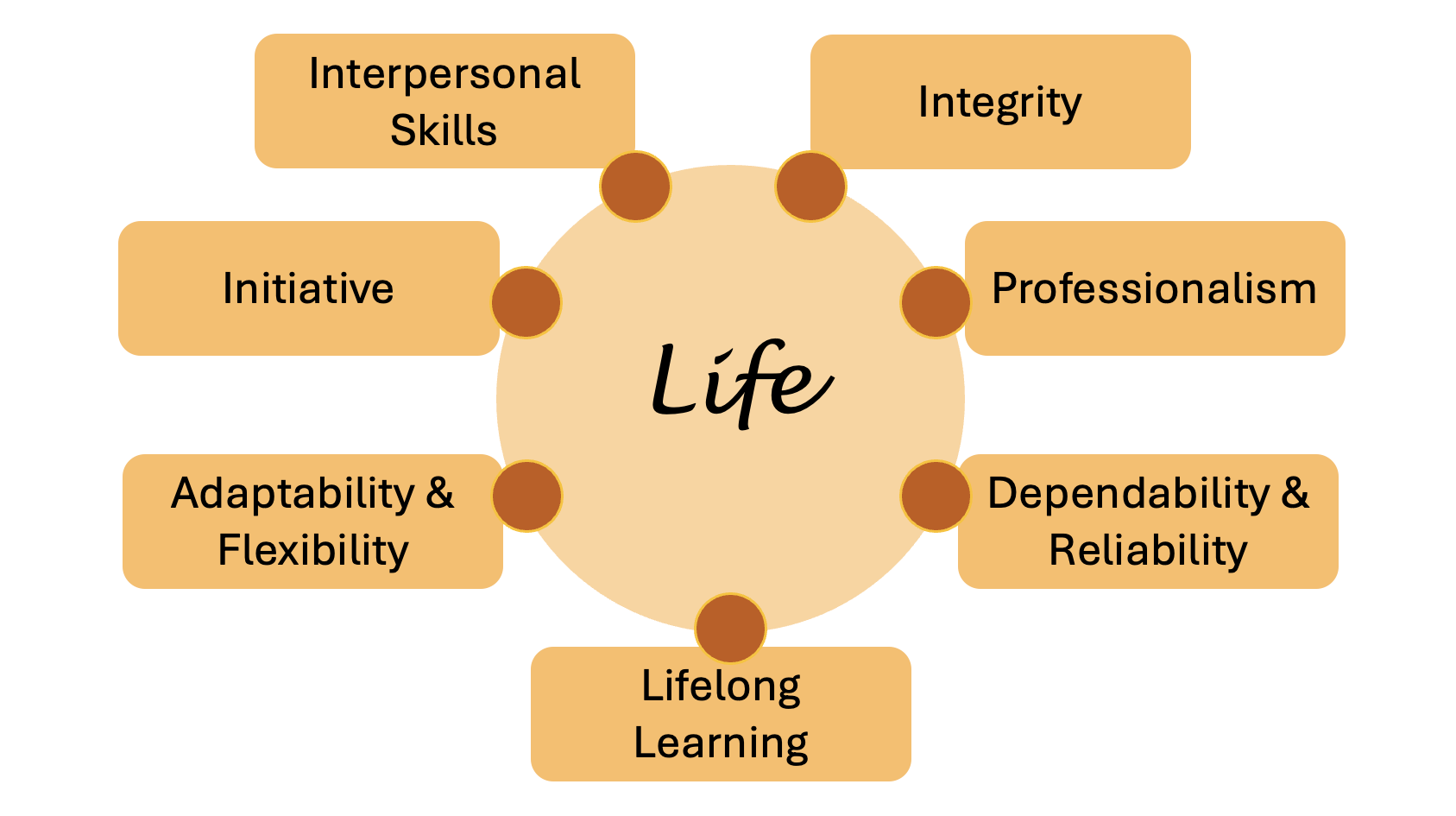
Lifelong Learning
Growing as a practice, not a phase
What is Lifelong Learning?
Lifelong Learning is the commitment to keep growing — not because a class requires it, but because you recognize that the world keeps changing and so must you. Lifelong learners approach new challenges with curiosity rather than defensiveness. They build habits — reading, reflecting, asking questions, seeking feedback — that keep them developing long after formal schooling ends.
Recognize It in Your Life
What is something you are currently trying to get better at — not for a grade, but because you want to?
Take a moment before you write. The best iCAN statements come from real examples.
DOK 1 · Identify
I can identify Lifelong Learning when I…
Complete the sentence with a specific, real example from your life.
Choose a verb to start your statement:
Your name and learner ID are attached automatically
1.7 · DOK1 · Lifelong Learning
DOK 2 · Demonstrate
I can demonstrate Lifelong Learning when I…
Complete the sentence with a specific, real example from your life.
Choose a verb to start your statement:
This becomes evidence in your NextREADY GPS record
1.7 · DOK2 · Lifelong Learning
(function(){ var p=new URLSearchParams(location.search); var id=p.get('learner')||''; var ref=p.get('ref')||'direct'; document.querySelectorAll('[data-learner-id]').forEach(function(el){el.value=id;}); document.querySelectorAll('[data-src]').forEach(function(el){el.value=ref;}); })();
function nrInsertVerb(level,verb,skill){ var ta=document.getElementById(level+'-input'); if(!ta)return; var txt = level==='dok1' ? 'I can identify '+skill+' when I notice myself '+verb+' ' : 'I can demonstrate '+skill+' by '+verb+' '; ta.value=txt; ta.focus(); ta.setSelectionRange(ta.value.length,ta.value.length); }
function nrSubmit(level,skillCode){ var ta=document.getElementById(level+'-input'); var text=ta?ta.value.trim():''; if(!text){alert('Please write your iCAN statement before submitting.');return;} var icanEl=document.getElementById(level+'-ican'); var icanTxt=document.getElementById(level+'-ican-text'); if(icanEl&&icanTxt){icanTxt.textContent=text;icanEl.classList.add('visible');} var postId=(typeof nrPostId!=='undefined')?nrPostId:0; var nonce=(typeof wpApiSettings!=='undefined')?wpApiSettings.nonce:''; var lid=document.querySelector('[data-learner-id]'); var src=document.querySelector('[data-src]'); var dok=level==='dok1'?'1':'2'; var body={ post:postId, content:text+'\n\n[learner_id:'+(lid?lid.value:'')+'][source:'+(src?src.value:'direct')+'][skill:'+skillCode+'][dok:'+dok+']', author_name:'NextREADY Learner', author_email:'learner@nextready.local' }; if(postId&&nonce){ fetch('/wp-json/wp/v2/comments',{ method:'POST', headers:{'Content-Type':'application/json','X-WP-Nonce':nonce}, body:JSON.stringify(body) }).then(function(r){return r.json();}).then(function(d){ if(d.id){ta.value='';ta.placeholder='✓ Submitted — thank you!';ta.disabled=true;} }).catch(function(e){console.warn(e);}); } else { ta.value='';ta.placeholder='✓ Recorded';ta.disabled=true; } }
